
Login
0
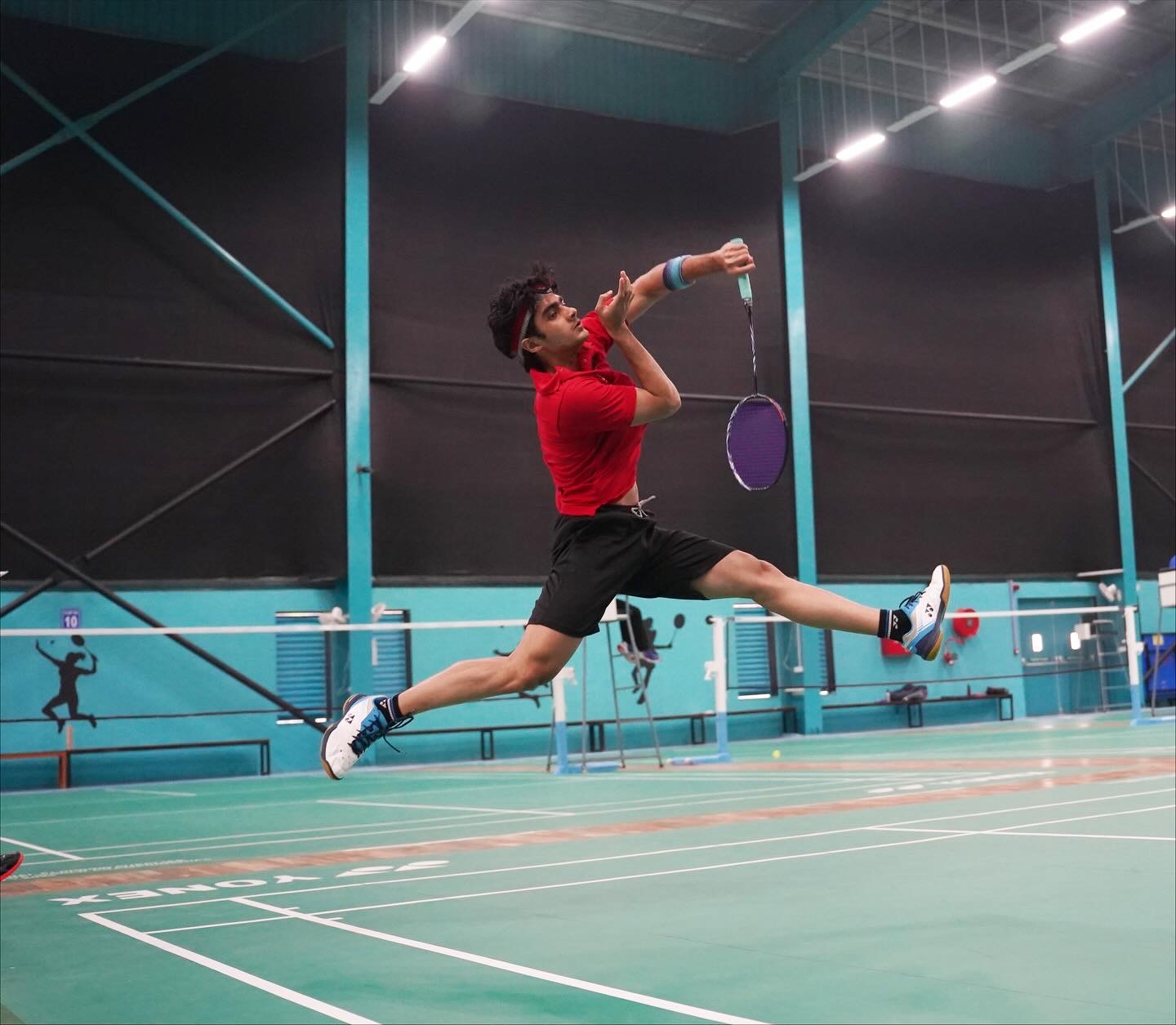

At 6 am, before most people were awake, I was already on court. Badminton wasn’t a hobby for me but a part of my identity ever since I was 12 years old.
I remember dropping my sister off for her badminton practice sessions along with my dad. I also remember the frustration I felt when I was not allowed to join the coaching sessions because I was too small.
Eventually, the coach gave in and let me play with a mini racket which was half the size of a regular badminton racket.
But it wasn’t until almost age 12, I started taking the sport seriously and spending most of my day on court.
I was talented. That much was clear from early on. I had good timing, sharp reflexes, and a natural feel for the game. Coaches appreciated my court sense. I could read rallies well and skill came naturally to me.
But physically, I was small. And I was weak. As competition levels increased, that difference became harder to ignore. I was often the lightest player on court. In longer rallies, I felt my body give up way before my mind did. My opponents weren’t necessarily more skilled — but they were stronger. Their smashes were heavier. Their movement was more explosive. In tight third games, I could feel the gap widening.
To fix this problem, I began working with a nutritionist. For the first time I started looking at food not as an afterthought but as a part of my preparation. We identified where I was falling short — not eating enough overall, missing protein targets, under-fueling before long sessions. My meals became structured. Breakfast became non-negotiable. Recovery became intentional.
I didn’t see quick results. But over months of consistency, things started to change. I didn’t give out during long rallies. My legs held steady, deep in the third game. My recovery was better and mentally I felt ready.
Gradually, the results followed. Third-game losses turned into third-game wins. Matches I once feared stretching long became matches I trusted myself to endure. The difference wasn’t just physical — it was mental. I stepped onto court knowing I had done all the work behind the scenes.
Now, that I look back at it, being strong was not the setback, but being underprepared was.
Talent definitely opens the door but preparation keeps you there. And preparation doesn’t start only on court. It starts at your dining table, in those quiet mornings, when you choose to fuel your body for things you’re asking it to do for the day ahead, when no one is watching.
For me that shift changed everything.